Choosing an Outdoor Power Supply is less about chasing the biggest number and more about matching a unit to real tasks. A weekend camper may need phone charging, lights, and a small fridge. A homeowner preparing for outages may care more about dependable capacity, quiet operation, and safe indoor use. The difference matters.
Energy scholar Vaclav Smil writes, “Energy is the only universal currency: one of its many forms must be transformed to another to effect any change.” That principle helps buyers look beyond marketing claims. Check battery capacity in watt-hours, continuous and surge output, charging speed, port types, weight, and the devices you plan to run. Small details matter. A kettle can drain a battery far faster than a phone.
These ten tips will help you compare battery chemistry, usable capacity, solar compatibility, safety features, warranties, and long-term value. They also encourage a practical question: where will the unit sit, and how will you recharge it? A sunny campsite and a shaded balcony create different expectations. No checklist removes every guess. Buyers may still misjudge future needs, or pay for capacity they rarely use. That is worth admitting. Start with your actual equipment, read the specifications carefully, and treat headline numbers as a starting point—not a promise.
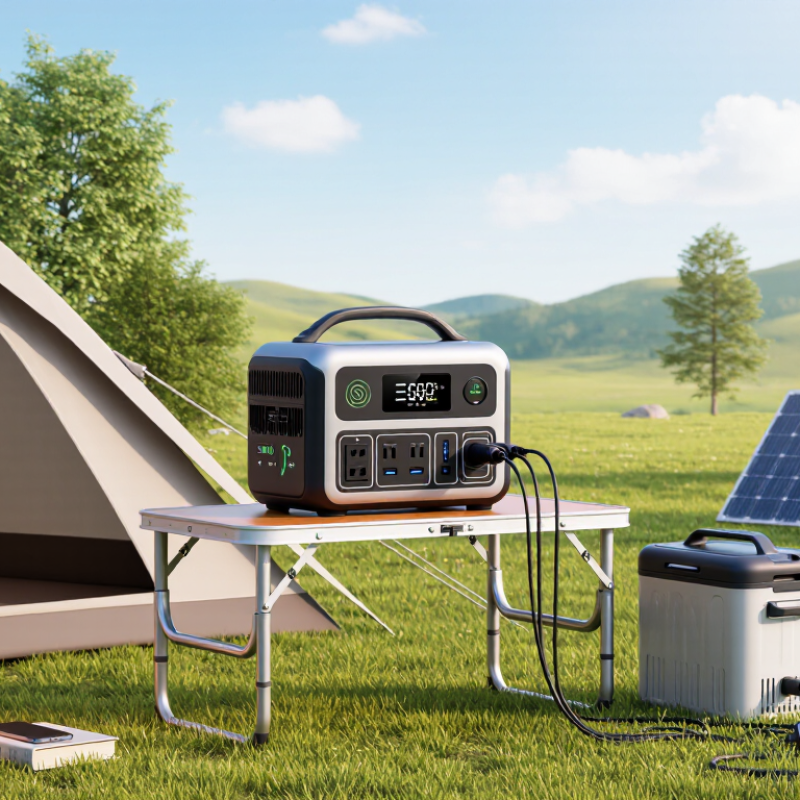
Before choosing an outdoor power supply, list what you will actually run, not what sounds useful. Start with real use. A phone may need only a few watt-hours, while a portable fridge can draw power for many hours. Check each device label for watts, volts, and any starting surge. If the label is unclear, consult its manual or measure consumption during a normal session. Small details matter.
Estimate energy by multiplying watts by hours of use. A 40-watt light used for five hours needs about 200 watt-hours, before conversion losses. Add the loads you expect to use at the same time, then compare that total with the supply’s continuous output rating. Motors and compressors can briefly demand more power when starting. That surge is easy to overlook. Check connector types and available AC or DC ports, too; stored energy is useless if the output cannot serve your device.
Build a realistic day: charge two phones, run a camera battery charger, and keep a cooler operating through the evening. Include idle periods, cloudy weather for solar recharging, and colder conditions, which can reduce usable capacity. Leave a margin rather than sizing to the exact calculation. My estimates are never perfect; habits change once camp is set up. Track one ordinary trip, note actual runtime, and revise your load list before buying.
| Device or use | Typical running load | Possible startup / peak load | Estimated runtime from a 1,000 Wh power station | Buyer tip |
|---|---|---|---|---|
| LED camp light | 10 W | About 10 W | About 85 hours | Check whether the light can run directly from USB or DC to avoid inverter losses. |
| Phone charging | 15 W while charging | About 15 W | About 57 hours of continuous charging | For multiple phones, add their charging loads and consider the number of USB ports. |
| Laptop | 60 W | Up to about 90 W, depending on the charger | About 14 hours | Use the wattage printed on the laptop adapter; USB-C charging may reduce conversion losses. |
| Portable fan | 50 W | About 50–100 W | About 17 hours | Fan speed affects consumption; use the highest setting you expect to need when sizing. |
| CPAP machine, humidifier off | 40 W | Check the unit’s specifications | About 21 hours | Heated humidification can substantially increase energy use; check the manufacturer’s power data. |
| Portable compressor cooler | About 60 W average while operating | May briefly exceed running load at compressor startup | About 14 hours | Actual average use depends on ambient temperature, contents, and how often the lid is opened. |
| Compact refrigerator | About 80 W average while operating | Often 200–400 W or more at startup; verify the appliance | About 11 hours | Confirm both the power station’s continuous output and its surge rating can handle compressor startup. |
| Television | 100 W | About 100–150 W | About 8.5 hours | Screen size, brightness, and display type affect the actual load. |
| Electric blanket | About 100 W on a typical setting | Varies by blanket and heat setting | About 8.5 hours | Thermostat cycling may extend runtime, but cold conditions can also reduce battery performance. |
| Coffee maker | About 1,000 W while heating | Usually close to its rated input | About 51 minutes of continuous operation | Brewing is intermittent, but the station’s AC output must still meet the appliance’s rated wattage. |
| Microwave oven | About 1,200 W electrical input | May briefly exceed rated input; check the appliance label | About 43 minutes of continuous operation | Use electrical input wattage, not the lower cooking-output rating, when checking compatibility. |
Estimates assume 1,000 Wh of nominal battery capacity and approximately 85% usable AC energy (about 850 Wh), with one device running continuously. Real runtime varies with device cycling, temperature, battery condition, conversion losses, and simultaneous loads. Before buying, check the power station’s usable capacity, continuous AC output, surge rating, port types, and any limits on recharging.
Capacity, measured in watt-hours, estimates how long a unit can supply energy. Continuous output, measured in watts, is the steady load it can support.
Eight hours of operation uses about 480 watt-hours before conversion losses. Allow extra capacity for cycling and cold weather. Real use varies.
Fridges and pumps may draw extra power when starting. If peak output is too low, an appliance may not start, even when capacity seems sufficient.
No. Test conditions, load size, temperature, and conversion losses affect delivered energy. I still find neat runtime estimates a little too tidy.
Yes. LFP batteries often offer longer cycle life, while nickel-rich chemistries can store more energy per kilogram. Designs vary, so compare the specific unit.
Compare ratings at the same depth of discharge and remaining-capacity threshold. Check warranty limits, too. A cycle count is not a precise countdown.
Divide usable watt-hours by total weight, then check the handle and case dimensions. A few extra kilograms can feel significant beside a tent.
Compare usable energy, and include charging cables in the weight. A compact case is not automatically the better choice; vehicle trips may suit larger units.
Choosing an Outdoor Power Supply starts with understanding what you plan to run and how often. List your devices and their typical power needs, then compare the unit’s usable capacity with its continuous output and peak power rating. This helps ensure it can operate your equipment reliably, including devices that briefly require extra power when starting. Check that its outlets and charging options match your needs, and consider how quickly it can recharge between uses.
Battery chemistry, expected lifespan, weight, and size all affect long-term value and convenience, especially when carrying the unit outdoors. Look for appropriate weather resistance, clear safety protections, and warranty coverage that suits your intended use. By weighing these factors together rather than focusing on a single specification, you can select a power supply that is practical, dependable, and well matched to your outdoor activities.

 Veltok Power