In the ever-evolving landscape of electronics, selecting the right Cabinet Power Supply is crucial for global buyers. John Smith, a renowned expert in power supply systems, emphasizes the importance of quality: "A reliable power source is the backbone of any effective cabinet system." His insights highlight the need for dependable options as technology advances.
Many buyers face challenges in navigating the vast array of products available. The Cabinet Power Supply market is growing, but with this growth comes complexity. Buyers must consider factors such as efficiency, compatibility, and safety standards. Each decision impacts performance and longevity.
Notably, some suppliers promise high performance but fail to deliver. This inconsistency can lead to customer frustration. Therefore, understanding the landscape—what works and what doesn't—is essential. By assessing various brands and models carefully, buyers can find trustworthy solutions that meet their needs. The journey requires diligence, as the stakes are high in ensuring optimal functionality for their systems.
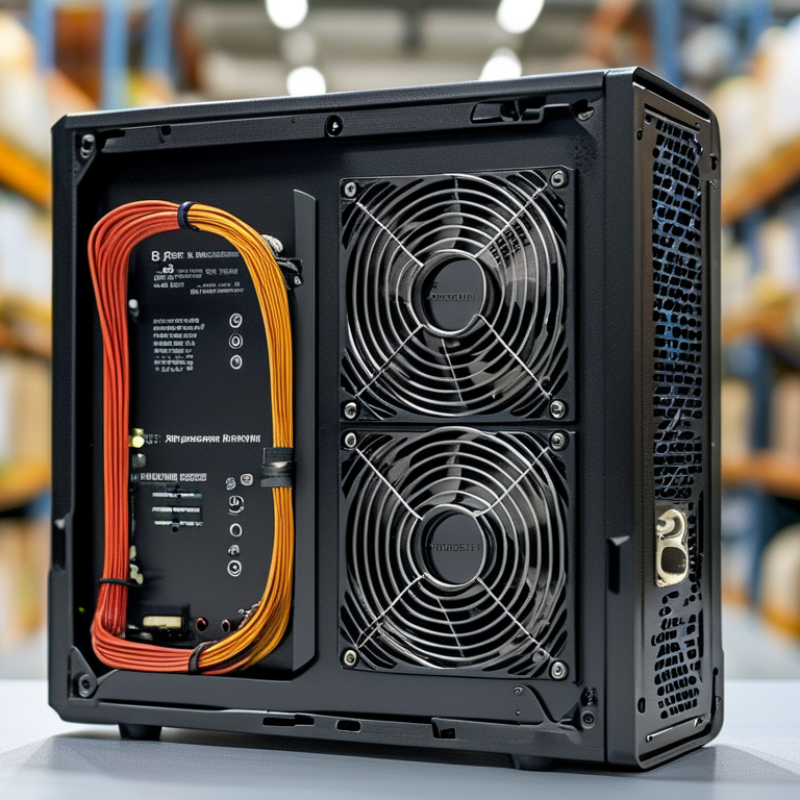
The global cabinet power supply market is evolving rapidly. As we approach 2026, several key trends are emerging that could reshape the landscape. Sustainability remains a crucial focus. Many buyers are seeking eco-friendly solutions. This drive reflects a growing awareness of environmental impacts. Advanced energy efficiency is becoming a standard requirement. Manufacturers are challenged to innovate without compromising performance.
Another trend centers on modular designs. Flexibility is vital for modern consumers. A modular power supply allows for customization to meet specific needs. This adaptability is attractive in diverse industries. Distributed power systems are gaining traction too. They offer enhanced reliability and reduce the risk of total failure. Companies will need to consider these technologies seriously.
However, the market is not without its challenges. Many buyers still lack clear guidance on system integration. There might be a knowledge gap that affects decision-making. Additionally, some might overlook the importance of after-sales support. These areas need more attention to build confidence among global buyers. Emphasizing experienced providers can help mitigate uncertainties and improve outcomes.
When selecting a cabinet power supply, key features play a crucial role. Efficiency is often a top priority. A power supply with high efficiency reduces energy costs. Look for options that meet industry standards. Efficiency ratings can help you make informed decisions.
Consider the load capacity as well. This indicates how much power the supply can deliver. It's essential to match this with your requirements. Oversizing can be wasteful, while undersizing can lead to failures. Be realistic about your electrical needs.
Safety features are another vital aspect. Short circuit protection and overheating prevention are essential. These can save both equipment and lives. It's important to choose models with reliable safety certifications. This indicates that they meet strict safety guidelines. Yet, even with safety features, occasional failures can happen. Always have a backup plan in place.
The cabinet power supply sector is evolving rapidly. Buyers today have a range of options that cater to diverse applications. Many manufacturers focus on efficiency and durability. This is critical for systems requiring consistent performance. Innovative designs are also common, allowing for better integration.
Leading brands are refining their products to offer better energy management. Users can find power supplies that reduce operational costs. The growing trend of smart technology integration in power supplies should be noted. However, not all products meet sustainability standards. This raises questions about long-term reliability.
Another consideration is the variations in international standards. Each region may have specific requirements, impacting user choices. Buyers must ensure compliance with local regulations. It's essential to research the reputation of manufacturers. Trustworthy brands often invest in quality control. Balancing cost with quality remains a challenge for many buyers in this dynamic market.
| Specification | Value | Features | Applications |
|---|---|---|---|
| Voltage Range | 12V - 48V | High efficiency, Compact design | Industrial equipment, Telecommunications |
| Power Rating | 500W - 2000W | Overcurrent protection, Low noise | Data centers, Server farms |
| Efficiency Rating | 80 Plus Bronze - Platinum | Eco-friendly, Reduced heat output | Consumer electronics, Medical devices |
| Operating Temperature | -10°C to 70°C | Fanless option, Thermal management | Outdoor applications, Harsh environments |
| Form Factor | Rack-mounted, Enclosed | Modular design, Easy installation | Data centers, Telecommunications equipment |
The power supply sector is evolving rapidly, driven by increasing efficiency demands. Recent studies reveal that power supplies with over 90% efficiency can significantly reduce energy costs for global buyers. Data from industry reports show that optimizing efficiency can lead to savings of up to 30% in energy bills. This is crucial for both economic and environmental reasons.
Performance metrics are equally essential. Voltage regulation, load response, and thermal performance play significant roles in choosing a power supply. A reliable unit should maintain output stability within ±5% under varying loads. Some reports indicate that power supplies often fail to meet these standards under extreme conditions. Buyers must consider not only efficiency ratings but real-world performance as well.
Interestingly, while many manufacturers advertise high efficiency, actual performance can differ in practice. Testing indicates that some units struggle with thermal management, which can lead to premature failures. This signals a need for buyers to prioritize purchasing from credible manufacturers who publish detailed test data. Emphasizing transparency in performance metrics can lead to better long-term investment choices.
As global demand for cabinet power supplies rises, supply chain complexities have intensified. The growing reliance on electronics across industries highlights the need for robust power solutions. According to recent industry reports, the cabinet power supply market is projected to reach significant growth, driven by advancements in technology and increased energy efficiency requirements.
Logistics challenges pose a risk to timely delivery. Factors such as geopolitical tensions and shipping constraints can disrupt supply flows. A 2023 study indicated that over 40% of manufacturers reported delays due to global shipping issues. Companies are reevaluating their supply chain strategies, seeking localized production and diversified sourcing to mitigate risks. This shift aims to ensure a steadier supply of critical components.
Quality control remains paramount. Ensuring compliance with international standards is essential for maintaining reliability. However, not all suppliers meet these standards consistently. A recent survey revealed that about 30% of power supply units failed basic quality checks. Companies must cultivate relationships with reliable partners to enhance the integrity of their supply chains. Addressing these issues will be crucial for meeting future demands effectively.
: Sustainability is a key focus. Buyers want eco-friendly solutions and energy-efficient designs.
Modular designs offer flexibility, allowing customization for diverse industrial needs.
Many lack clear guidance on system integration and may overlook after-sales support.
Emphasizing experienced providers can help mitigate uncertainties and improve outcomes.
Variations in standards may influence choices. Buyers must ensure compliance with local regulations.
Geopolitical tensions and shipping constraints can disrupt supply flows, leading to delays.
Companies are seeking localized production and diversified sourcing to ensure steadier supply.
Quality control is crucial, but not all suppliers consistently meet international standards.
About 30% of units failed basic quality checks, indicating a need for improvement.
Ignoring it can lead to reduced trust and satisfaction among global buyers, impacting sales.
The article "2026 Top Cabinet Power Supply Options for Global Buyers" explores the emerging trends and technological advancements in the cabinet power supply market. It emphasizes the importance of selecting power supplies that not only meet efficiency and performance standards but also align with the evolving needs of global consumers. Key features such as compact design, improved thermal management, and the ability to handle diverse loads are highlighted as essential considerations when choosing a cabinet power supply.
Additionally, the article discusses the competitive landscape of leading brands and manufacturers, providing insights into their contributions to the industry's growth. It also addresses global supply chain challenges, emphasizing the need for reliable sourcing and distribution channels to ensure that cabinet power supply solutions can be delivered effectively to meet rising demand. As the market progresses, understanding these elements will be crucial for buyers seeking optimal cabinet power supply solutions in 2026 and beyond.
