2026 Top Low Voltage Power Supply Types for Global Buyers

Time:2026-09-23 Author:Charlotte
0%

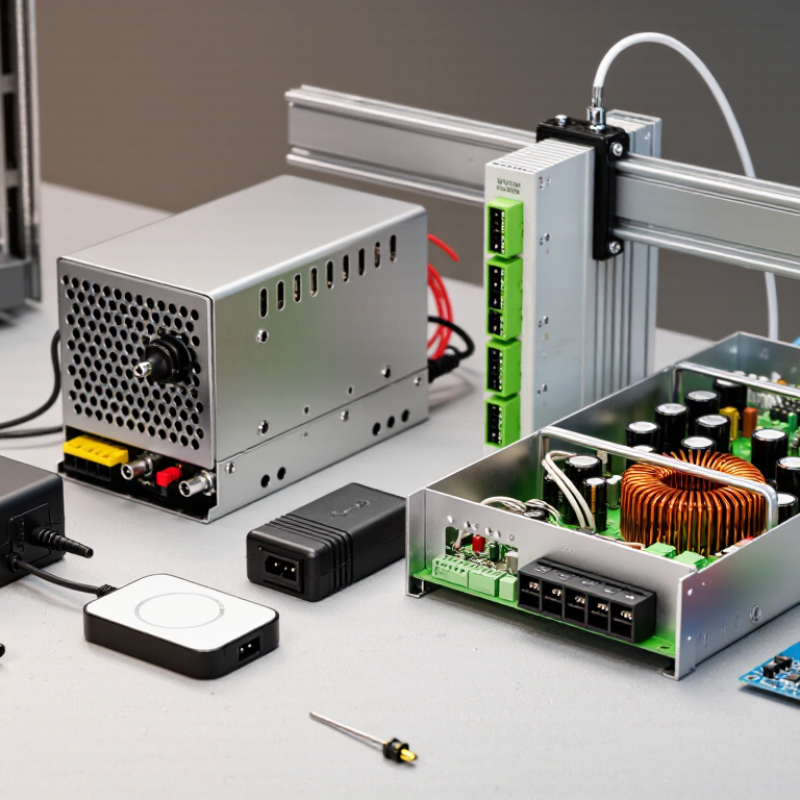
The 2026 low-voltage power market is becoming more specialized. Global buyers now compare AC-DC adapters, enclosed supplies, DIN-rail units, open-frame models, and DC-DC converters. Each type solves a different installation problem. A compact adapter may suit a smart sensor, while a DIN-rail supply fits a factory control cabinet. The enclosure, wiring method, cooling design, and output stability matter as much as the rated wattage.

A reliable Low Voltage Power Supply should match the application, not only the purchasing budget. Buyers need to check input range, output voltage, current capacity, ripple, efficiency, overload protection, and operating temperature. Moisture and dust also deserve attention. An IP-rated enclosure can protect equipment in demanding spaces, but its rating does not replace correct installation. Certification requirements may vary by destination, including IEC, UL, CE, or UKCA considerations. Local compliance should be verified with qualified technical professionals.

Small details often decide long-term performance. A supply that runs continuously near its maximum load may generate unnecessary heat. A cheaper model can become expensive after repeated failures or difficult replacements. Yet premium pricing is not proof of quality. Specifications can look complete and still hide weak thermal performance. This guide examines the leading 2026 types through practical selection criteria, supplier reliability, documentation quality, and global purchasing risks. The comparison is useful, but not perfect. Real testing remains important. Samples, load tests, and traceable certifications can reveal problems that product photos never show.
2026 Top Low Voltage Power Supply Types for Global Buyers

Defining Low-Voltage Power Supplies and Their Main Applications

2026 Top Low Voltage Power Supply Types for Global Buyers

A low-voltage power supply converts incoming electrical energy into a controlled output for connected equipment. The term commonly covers systems below 50 volts AC or 120 volts DC. However, definitions vary by region and application. Its job is more than voltage reduction. It must manage current, heat, isolation, ripple, and fault protection. A dependable unit keeps sensors stable and prevents nuisance shutdowns.

Low voltage does not mean risk-free.

In control cabinets, DIN-rail supplies power PLCs, relays, sensors, and industrial communication devices. Enclosed supplies support access systems, security equipment, and building controls.

Constant-current drivers serve LED lighting, while compact adapters power instruments and small electronics. Outdoor installations need sealed housings, suitable temperature ratings, and protection against moisture. Medical applications require stricter isolation and compliance testing.

Selection should begin with the load, not the purchase price.

Check output voltage, continuous current, peak demand, efficiency, standby loss, and short-circuit behavior. Leave practical headroom; a supply operating at its limit may overheat inside a crowded cabinet. Installation details matter too. Long cable runs can create voltage drop, especially with thin conductors.

Field technicians often find that a “correct” rating fails under real startup loads. That is an uncomfortable reminder: datasheet calculations need site measurements.

Regional safety approvals and EMC requirements also deserve verification before shipment or installation.

Linear, Switching, and Regulated Power Supply Technologies

For global buyers, low voltage power supplies are not interchangeable. Linear supplies use transformers, rectifiers, and regulators to deliver clean, low-noise output. They suit audio circuits, laboratory sensors, and other sensitive loads. Their output is stable, but heat becomes noticeable at higher current. A 12 V, 2 A linear unit may dissipate substantial energy as warmth. Switching supplies operate differently. They convert power at high frequency, reducing transformer size and improving efficiency. This makes them practical for industrial controls, lighting, and embedded equipment. Yet switching noise can disturb precision signals if filtering and grounding are weak. Small details matter.

Regulated power supplies maintain voltage when input or load conditions change. Regulation may be linear or switching-based, so buyers should inspect the complete design rather than trust one label. Check nominal input range, output tolerance, ripple, transient response, protection functions, and operating temperature. For international projects, confirm voltage standards, safety documentation, connector requirements, and regional testing expectations. A supply rated for 100–240 VAC can simplify deployment, but it does not solve every installation issue. Cable length, airflow, and starting current still affect performance. In field testing, a quiet bench result may not match a crowded control cabinet. That difference deserves attention.

Tips: Match the topology to the load. Choose linear regulation for very low noise, switching technology for efficiency, and regulated output for changing demand. Leave thermal margin instead of sizing to the exact wattage. I have seen “perfect” selections fail because the enclosure had poor ventilation. Recheck the datasheet, then test the real load.

AC-DC, DC-DC, and Battery-Based Low-Voltage Supply Types

2026 Top Low Voltage Power Supply Types for Global Buyers

For global buyers, low-voltage supply selection starts with the load, not the catalog label. AC-DC supplies convert mains electricity into stable direct current. They suit control panels, sensors, lighting, and compact automation equipment. Specify output voltage, current headroom, ripple, cooling method, and operating temperature. A wide input range helps equipment handle unstable grid conditions. Isolation matters where users or sensitive circuits need extra protection. Do not treat efficiency as the only buying criterion.

DC-DC converters are useful when a system already has a battery, vehicle bus, or intermediate DC rail. Buck designs lower voltage, while boost designs raise it. Buck-boost units manage changing input levels. In vehicles and outdoor systems, vibration, moisture, and reverse-polarity protection deserve close attention. Battery-based supplies offer independence from the grid. Their runtime depends on battery capacity, load variation, temperature, and aging. Small errors here can create large downtime.

Procurement teams should compare tested performance, wiring diagrams, protection features, and service documentation. Local electrical requirements may differ across markets, so compliance evidence must be checked before shipment. A practical test uses the real load, not only a laboratory resistor. Observe startup behavior, heat near terminals, and voltage drop over long cables. No selection method is perfect. I would leave safety margin for future loads, but excessive oversizing can reduce efficiency and increase cost.

Comparing Safety, Efficiency, Reliability, and Global Certifications

Global buyers now compare low-voltage power supplies beyond price. Safety starts with the installation environment, not the label. IEC 62368-1 uses hazard-based engineering for many ICT and audio-video supplies. A credible file should show creepage, clearance, thermal-rise, overload, and abnormal-operation results. Look for a traceable CB Scheme report, then confirm local marks such as CE, UKCA, or CCC where required. A mark alone is not enough. CE is a declaration of conformity, not a universal safety certificate.

Efficiency matters at scale. The IEA’s Electricity 2024 report estimates data-centre electricity use at about 460 TWh in 2022, potentially exceeding 1,000 TWh by 2026. This growth makes standby loss, light-load efficiency, and heat dissipation practical buying metrics. Ask for measured efficiency curves, not only peak percentages. U.S. Department of Energy rules also distinguish active-mode and no-load performance by output class. Reliability needs equal attention. Uptime Institute’s 2024 Global Data Center Survey found that 54% of reported outages cost more than $100,000. Select supplies with tested protection, documented component derating, and long-term field data. One uncomfortable gap remains: laboratory figures rarely reflect dusty cabinets, unstable grids, or aging capacitors. A laboratory win can become a maintenance problem.

2026 Top Low Voltage Power Supply Types for Global Buyers

Comparing typical efficiency, no-load power consumption, safety, reliability, and global certification considerations

How to read the chart: Switching architectures generally provide higher efficiency and lower standby losses than linear supplies. The values shown are representative engineering figures commonly found across commercial and industrial designs; actual performance depends on output power, load profile, thermal conditions, and circuit design.

Global compliance considerations: Buyers should verify the applicable edition of IEC 62368-1, IEC 61010-1, or IEC 60335-1 according to the end product. Market access may also require regional safety and EMC requirements such as CE/LVD/EMC, UKCA, UL or CSA recognition, CB Scheme documentation, and RoHS compliance.

Reliability note: Reliability is strongly affected by capacitor quality, thermal management, derating, surge protection, enclosure design, and factory quality controls. A certification mark alone does not guarantee a specific service life or MTBF.

Selecting the Right Low-Voltage Power Supply for International Markets

Global buyers are choosing low-voltage power supplies amid rising electrification. The IEA Electricity 2024 report forecasts global electricity demand to grow about 4% annually through 2026. The IEA Global Energy Review 2025 reports that clean sources supplied around 40% of global electricity in 2024. These trends increase demand for reliable conversion equipment, not simply cheaper units.

Start with the application. Enclosed AC-DC supplies suit machinery and industrial cabinets. DIN-rail models fit control panels with limited service space. Open-frame supplies reduce size inside protected equipment. DC-DC converters support vehicles, telecom systems, and battery-powered platforms. External adapters simplify installation, but plugs and approvals differ across countries.

Confirm 100–240 V AC input and 50/60 Hz compatibility. Check output tolerance, ripple, isolation, startup current, and overload recovery. A 24 V, 10 A supply should not run continuously at its limit. Leave thermal headroom.

Efficiency also matters. EU Ecodesign requirements address standby and no-load losses in external power supplies. Small losses become costly across thousands of devices.

Certification is not a paperwork afterthought. Review applicable IEC safety and EMC requirements. Verify test reports, markings, and traceable production controls. Regional approval needs can still differ. That risk is often underestimated.

I would test cold starts, high ambient temperatures, and unstable input voltage. Laboratory results help, but field conditions are less polite.

A spreadsheet may select the cheapest supply. Measured heat and failure data may change the decision.

FAQS

What is the main difference between linear and switching power supplies?

Linear supplies provide clean, low-noise output. They suit audio circuits and sensitive laboratory sensors. Switching supplies are smaller and more efficient. They fit industrial controls, lighting, and embedded equipment.

When should I choose a linear power supply?

Choose one when signal noise must stay very low. Audio circuits are a common example. Expect more heat at higher current. A 12 V, 2 A unit may become noticeably warm.

When is switching technology the better choice?

Choose switching technology when efficiency, size, and heat control matter. It works well in control cabinets and lighting systems. Weak grounding can create unwanted switching noise. Small details matter.

What does a regulated power supply do?

It maintains the output voltage when input or load conditions change. Regulation can use linear or switching technology. Check the complete design, not just the product label.

Which specifications should buyers check?

Check input range, output tolerance, ripple, transient response, and protection functions. Review operating temperature and isolation. Cable length and starting current also affect performance.

How much power margin should I leave?

Avoid operating continuously at the exact rated wattage. Leave thermal headroom. A 24 V, 10 A supply should not run constantly at its limit. This simple choice can reduce heat stress.

What safety and certification information should I request?

Request traceable safety and electromagnetic compatibility test reports. Review creepage, clearance, thermal rise, overload, and abnormal-operation results. A conformity mark alone is not enough. Confirm regional requirements.

How can international buyers compare efficiency and reliability?

Request measured efficiency curves, including standby and light-load performance. Review component derating and long-term field data. Laboratory results may not match dusty cabinets or unstable grids. That gap deserves attention.

Which power supply format fits different installations?

Enclosed units suit machinery and industrial cabinets. DIN-rail models fit control panels. Open-frame units save space inside protected equipment. DC-DC converters support vehicles and battery-powered platforms.

What testing should happen before final approval?

Test the real load, not only a quiet bench setup. Check cold starts, high ambient temperatures, unstable input voltage, and ventilation. I have seen “perfect” selections fail inside poorly ventilated enclosures.

Conclusion

A Low Voltage Power Supply converts electrical energy into safer, usable voltage levels for applications such as industrial controls, automation systems, lighting, communication equipment, consumer electronics, and embedded devices. This article introduces the main technologies, including linear supplies for clean and stable output, switching supplies for compact and efficient performance, and regulated supplies for precise voltage control. It also explains the differences between AC-DC, DC-DC, and battery-based solutions, helping buyers understand how each type fits different operating conditions.

For international markets, selecting a suitable power supply requires more than checking voltage and current ratings. Buyers should compare electrical safety, energy efficiency, thermal performance, service life, protection features, and reliability under varying environments. Global certifications and regional compliance requirements are also important for smooth product approval and distribution. By evaluating load characteristics, input conditions, installation space, environmental demands, and long-term operating costs, buyers can choose a dependable low-voltage solution that balances performance, safety, and international market readiness.

Charlotte

Charlotte

Charlotte is a seasoned marketing professional with a deep understanding of the company's portfolio and a passion for elevating its presence in the market. With a keen eye for detail and a commitment to excellence, she ensures that our professional blog is regularly updated with insightful articles......