Choosing the right AC/DC Adapter Wall Mount Series is crucial for effective electronic device performance. These adapters are essential for powering devices safely and efficiently. With various options available in the market, making a choice can feel overwhelming.
It's important to focus on key factors such as voltage, current, and polarity. Understanding your device's requirements helps in selecting the perfect match. A mismatch can lead to device malfunction or damage. Take time to assess your needs thoroughly before deciding.
Consider future upgrades as well. Sometimes, adapters may seem suitable now but may not accommodate changes down the line. Being thoughtful about your choice can save money and hassle. Don't overlook the importance of reliability and brand reputation, as these elements enhance product longevity.
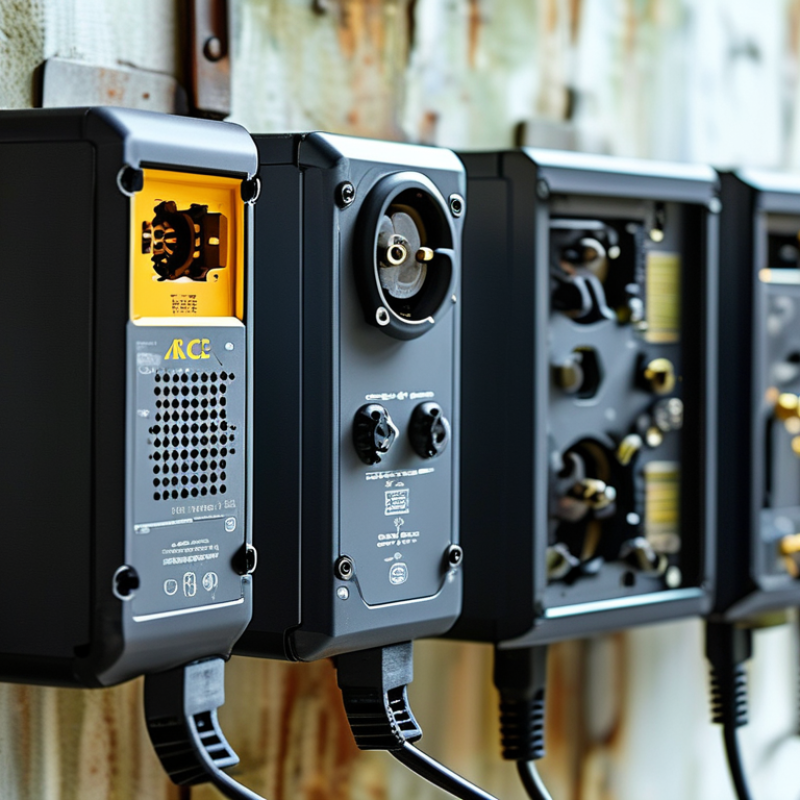
When choosing an AC/DC adapter, it's important to grasp some key concepts. An AC/DC adapter converts alternating current (AC) to direct current (DC). Understanding this difference is foundational. AC power is what you get from wall outlets, while DC power is usually what devices like phones and laptops need.
Voltage and current ratings are crucial. Each device requires a specific voltage to function correctly. Using an incorrect voltage can damage your device. Current is measured in amps. Too little current can cause devices to underperform. Even slight mismatches can lead to inefficient operation or failure.
Consider efficiency ratings too. High efficiency means less energy waste. Some adapters generate heat, which can be a sign of inefficiency. It’s also vital to pay attention to connector types. A mismatch can result in incompatibility. Reflecting on these aspects helps you choose wisely. Remember, not all adapters are created equal. Your choices matter.
When selecting an AC/DC adapter, understanding your device's requirements is crucial. Numerous reports indicate that improper adapter specifications can lead to device malfunction or damage. For instance, the Electronics Industry Association states that using adapters with incorrect voltage levels can cause irreversible harm. Ensure you check the voltage and current ratings of your device carefully.
Power consumption must also be considered. A study by the International Energy Agency revealed that up to 50% of all electronic device failures stem from inadequate power supply. Look closely at the wattage requirements. If you choose an adapter with lower wattage than needed, it may overheat or shut down. On the other hand, an overly powerful adapter could lead to unstable performance.
Sometimes, there are mismatches in connector types or pin configurations. It's not uncommon to overlook these details, leading to wasted time and resources. Researching connector compatibility can save you from frustration. Accurate information can usually be found in your device's manual or online databases. Awareness of these nuances is part of the selection process that cannot be ignored.
When selecting the right AC/DC adapter wall mount series, evaluating adapter specifications is crucial. Voltage, current, and power ratings are the primary metrics to consider. For instance, the voltage rating must match your device's needs. According to industry reports, using an adapter with incorrect voltage can damage devices, leading to costly repairs or replacements.
Current ratings also play a vital role. An adapter should provide sufficient current without exceeding its limits. The National Electrical Manufacturers Association (NEMA) suggests that an adapter should ideally deliver at least 10% more current than needed. This ensures stable performance and longevity. Power ratings, calculated as voltage multiplied by current, illustrate the overall capacity of the adapter. If the total power rating is inadequate, performance issues may arise.
Seeking out adapters with proper certifications enhances reliability. Look for compliance with global safety standards such as UL or CE. However, not all adapters meet these benchmarks. A common oversight occurs when users overlook these certifications. This can lead to unsafe usage, posing risks of overheating or electrical failures. Always prioritize specifications and certifications for informed choices.
When selecting an AC/DC adapter wall mount, it's essential to compare different configurations. Wall-mounted adapters are compact and space-saving. They are ideal for home use, where outlets are limited. In contrast, desktop adapters tend to be larger and may require more space. According to a report by ResearchAndMarkets, wall-mounted adapters represent a growing segment of the market, driven by the surge in portable electronic devices.
Cable length is also a key factor. Wall mounts usually have shorter cables. This can limit flexibility, particularly in tight spaces. On the other hand, desktop adapters often provide longer cables, making them more versatile. However, they add bulk, making them less portable. A detailed analysis from MarketsandMarkets shows that user preference often sways towards simplicity and portability, where wall mounts are increasingly favored.
Tip: Consider your usage scenario. If you travel frequently, a wall mount may suit your needs. Conversely, if you need flexibility at home, a desktop version is preferable. Assess your spatial and functional needs carefully before making a decision. Sometimes, the most convenient choice isn't always the best fit for your requirements.
Choosing the right AC/DC adapter wall mount series involves ensuring safety and compliance. Certifications play a crucial role in this process. According to a report by the International Electrotechnical Commission (IEC), compliance with safety standards reduces the risk of electrical hazards. Popular certifications include UL, CE, and FCC. These ensure that the adapter meets essential safety requirements.
When evaluating adapters, look for components that have passed rigorous testing. An estimated 30% of electrical faults can be traced back to non-compliant products. This can lead to severe end-user safety issues. Ensuring your adapter has verified certifications can provide peace of mind. It demonstrates a commitment to quality and safety.
However, not all manufacturers maintain transparent practices. Some may claim certifications without providing proper documentation. As a result, it's important to conduct thorough research. Cross-referencing manufacturer claims with independent testing organizations can uncover potential discrepancies. This diligence may save you from future headaches and ensure reliable performance. Always prioritize safety and compliance when selecting AC/DC adapters.
: Knowing your device's requirements prevents malfunctions and damage caused by improper adapter specifications.
Using an incorrect voltage can cause irreversible harm, potentially leading to costly repairs.
Insufficient power supply accounts for many device failures. Wattage must meet or exceed device needs.
Mismatched connectors can cause frustration and waste resources. Check compatibility to avoid these problems.
Ideally, an adapter should provide at least 10% more current than your device requires for stability.
Power ratings show an adapter's capacity. Inadequate ratings can lead to performance issues and device failure.
Look for adapters with proper certifications, such as those meeting global safety standards.
Users may focus solely on specifications and forget to check for safety certifications, risking unsafe usage.
An underpowered adapter may overheat or shut down, leading to performance instability.
Sometimes, finding accurate adapter specifications can be tricky. Check manuals or online databases for guidance.
When selecting an AC/DC Adapter Wall Mount Series, it's essential to understand the fundamental concepts and definitions of these adapters. Begin by identifying the specific requirements of your device, ensuring that you match the adapter’s voltage, current, and power ratings to your device’s needs. This helps in maintaining optimal performance and preventing damage.
Evaluating the various adapter types is also crucial; wall-mounted adapters are often preferred for their convenience and space-saving designs compared to other configurations. Additionally, safety and compliance are paramount, so look for certifications that ensure the adapter meets industry standards. By carefully considering these factors, you can make an informed choice that aligns with your device's specifications and safety requirements.
