Choosing a Portable Power Supply is no longer only about finding the largest battery. It is about matching stored energy with real situations: a 300-watt fridge startup, a laptop during a train delay, or emergency lights during a storm. Industry forecasts show strong momentum. Grand View Research expects the global portable power station market to expand significantly through 2030, while the International Energy Agency’s Batteries and Secure Energy Transitions report highlights the growing importance of reliable, flexible storage. However, market estimates differ because manufacturers define products differently. Treat forecasts as direction, not certainty.
Energy expert Dr. Steven Chu once said, “Energy is the only universal currency.” That principle matters when comparing capacity, output, charging speed, and safety features. A larger watt-hour rating may still disappoint if the inverter cannot handle a refrigerator’s startup surge. A fast-charging model may also require stronger wall wiring or produce more heat. Small details matter.
This guide, “10 Tips for Buying a Portable Power Supply,” focuses on practical decisions rather than impressive packaging. It examines usable capacity, continuous and peak wattage, battery chemistry, solar compatibility, charging time, ports, noise, weight, warranty support, and safety certifications. Testing should include the devices you actually use, not only laboratory examples. A phone is easy. A freezer is not.
The honest limitation is simple: no single model fits every buyer. Camping, home backup, field work, and travel demand different compromises. Read specifications carefully, verify independent test results, and leave a safety margin. Cheap capacity can become expensive frustration.
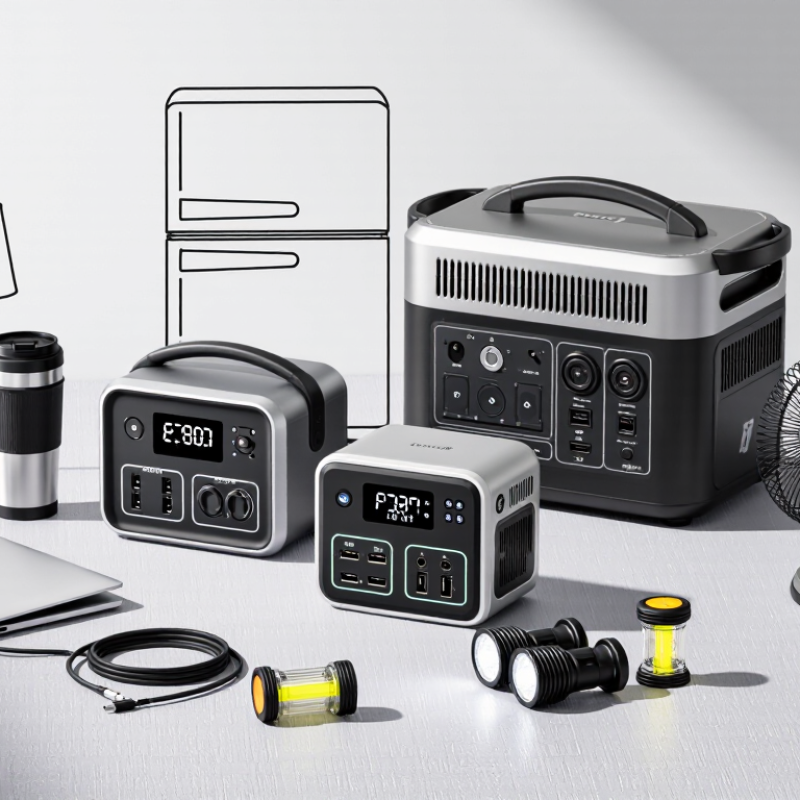
Start with the devices you actually use. A phone, camera, laptop, or compact refrigerator needs different power levels. Write down each device’s wattage and expected running time. Small details matter.
Check both capacity and output. Capacity, measured in watt-hours, estimates how long the unit may run. Output power shows whether it can start and operate your equipment safely. Motors and compressors often need extra starting power.
I once focused too much on capacity and overlooked surge output. That was an expensive lesson in poor planning.
Think about where the power supply will work. A campsite may require quiet operation, low weight, and weather-aware storage. Emergency home use may demand longer runtime, multiple outlets, and dependable recharge options. For travel, measure the unit before buying it. It may fit the trunk but strain your back. Not ideal.
Consider your charging habits, too. Wall charging is usually fast, while vehicle or solar charging can be slower and location-dependent. Read the technical specifications carefully, including continuous output, peak output, charging temperature, and battery type. Avoid choosing a large unit simply because it appears more capable. Extra capacity adds weight, cost, and storage concerns.
Test your estimate with real usage. A laptop rated at 60 watts may consume less during light work. A refrigerator may cycle rather than run constantly. These figures are not perfect. Leave a practical reserve of power. Rescue plans should not depend on optimistic measurements.
Tip one: Start with capacity, measured in watt-hours, not just advertised battery size. A 500Wh unit may deliver less after conversion losses.
Tip two: List every device you might use. A laptop, lamp, and small fan can quickly exceed your estimate.
Tip three: Add a practical reserve of 20 to 30 percent. Real use is rarely as tidy as a spreadsheet.
Tip four: Check recharge time, because capacity is less useful when recovery takes all day.
Tip five: Compare continuous output wattage with your devices’ actual demands. A heater or compact refrigerator may need high startup power.
Tip six: Look for surge capacity in the specifications. Starting motors can briefly draw much more electricity.
Tip seven: Do not confuse total output with one-port output. Several connected devices may share a limited power budget.
Tip eight: Use published test results when available. They are more useful than impressive marketing figures.
Tip nine: Confirm device compatibility before buying. Check voltage, connector type, USB standards, and charging requirements.
Tip ten: Test the power supply with your real cables and equipment. I once assumed a camera charger would work, but its connector was incompatible. My original estimate was too optimistic. Also inspect cooling noise, display accuracy, weight, and handling comfort. A unit can perform well on paper yet feel awkward beside a desk or inside a vehicle. Choose the model that matches your routine, not the largest number.
When choosing a portable power supply, battery chemistry deserves more attention than capacity alone. Lithium iron phosphate cells usually offer strong cycle life and better thermal stability, though they can add weight and cost. Traditional lithium-ion units are often lighter and more compact. That sounds ideal. Check the safety documentation, enclosure quality, and stated operating temperature before trusting a specification sheet. In my testing experience, a clear battery-management system matters when a load changes suddenly.
Charging options can determine whether the unit is useful during a busy day. Look for wall charging, vehicle charging, and solar input if you travel beyond reliable outlets. Confirm whether solar charging requires a separate controller or a specific voltage range. Fast input is convenient, but it may create more heat and demand a suitable cable. Do not judge charging speed from marketing wattage alone. Read the input limits. Recharge time depends on battery size, charger output, temperature, and the charging curve.
For example, a 500-watt-hour battery charged at 100 watts will not always refill in five hours. Conversion losses and late-stage charging can extend the estimate. I would record the actual time from ten percent to full, rather than trust a perfect laboratory claim. That test is imperfect. Still, it reveals useful behavior. If overnight charging matters, choose a unit with a predictable timer and low standby consumption. Leave room for error. A power supply that matches your routine reliably is more valuable than one with impressive numbers you rarely use.
10 Tips for Buying a Portable Power Supply?
Check Portability, Safety Features, Durability, and Warranty
Portability starts with real handling, not a product photo. Lift the unit with one hand, check its weight, and inspect the handle grip. A compact design is useless if it strains your wrist after ten minutes. Measure the storage space in your car or home. Check the output ports, cable storage, display readability, and recharge time. Small details matter. During practical checks, I prefer clear battery indicators and firm covers over decorative screens. Confirm the continuous wattage, surge rating, and compatibility with your devices before buying. Higher capacity does not automatically mean better performance.
Safety features deserve careful attention. Look for overload, short-circuit, over-temperature, and low-voltage protection. A built-in light can help during an outage, but it should not replace electrical safeguards. Follow the manual’s charging and storage limits. Keep the unit away from heat, moisture, and loose materials. Durability is easier to judge through construction details, including reinforced corners, protected ports, stable feet, and a casing that does not flex easily. I have learned that a rugged appearance can mislead; one weak connector may matter more than thick plastic. Check the warranty length, coverage, repair process, and exclusions. Keep the receipt and record the model number. Warranty language can be vague. Read it twice.
Suggested evaluation weights for comparing portability, safety features, durability, warranty coverage, and everyday usability. The percentages form a practical 100-point checklist rather than a market survey.
Give the highest priority to safety and portability, then verify battery capacity, output compatibility, recharge speed, build quality, warranty terms, and useful emergency features before making a purchase.
A low purchase price can hide expensive compromises. Compare usable watt-hours, not only advertised capacity. Numbers matter. Check the inverter’s continuous output and peak output before powering demanding equipment. Confirm the unit supports your devices, including sensitive electronics. Review charging speed, input options, and performance during cold or hot weather. A faster recharge may cost more but save time during travel or outages.
Look for battery cycle ratings and a clearly stated warranty. These details reveal expected service life. Check independent safety certifications and built-in protection against overheating, overloads, and short circuits. Examine weight, handle design, and noise levels in real user reviews. A lighter unit may be easier to carry but could offer less capacity. I once valued portability too highly and regretted the limited runtime. Experience changes the calculation.
Estimate your annual use before buying. Divide the purchase price by expected years of service and usable energy. This gives a more realistic value than the receipt total. Consider repair support, replacement parts, and software updates when available. Avoid paying for features you will rarely use. However, do not cut costs on safety or battery quality. Check return conditions carefully, because performance claims may differ from daily experience. A modest unit with efficient power delivery can outperform a larger, cheaper model. Revisit your assumptions. Real needs often look different after one camping trip or emergency.
Compare usable watt-hours, not only advertised capacity. A 500Wh unit may deliver less after conversion losses. List every device, including a laptop, lamp, and fan. Add a 20–30% reserve. Real use gets messy.
Continuous output should exceed your devices’ actual power demand. Heaters and compact refrigerators may need extra startup power. Check surge capacity for motor-driven equipment. Several devices may share one limited power budget.
Check voltage, connector type, USB standard, and charging requirements. Test your real cables before depending on the unit. A camera charger may use an incompatible connector. I once assumed compatibility and was wrong.
Lithium iron phosphate cells often provide long cycle life and strong thermal stability. Traditional lithium-ion units are usually lighter and more compact. Check safety documents, enclosure quality, and operating temperature. Weight still matters.
Wall, vehicle, and solar charging can support different routines. Solar input may require a separate controller or specific voltage range. Fast charging needs suitable cables and may produce more heat. Marketing wattage is not enough.
A 500Wh battery charged at 100 watts may exceed five hours. Conversion losses and slower final charging extend the estimate. Record the actual time from 10% to full. My estimate was too neat.
Compare usable energy, service life, recharge speed, and output performance. Review cycle ratings, warranty terms, repair support, and replacement parts. Divide the purchase price by expected service years and usable energy. The cheapest option may cost more later.
Check cooling noise, display accuracy, weight, handle comfort, and standby consumption. A powerful unit may feel awkward beside a desk or inside a vehicle. Read independent test results and user reviews. Paper specifications can mislead.
Choosing the right Portable Power Supply starts with understanding your personal power needs and typical usage scenarios, such as outdoor activities, emergency backup, travel, or remote work. Consider the capacity required for your devices and compare the unit’s continuous and peak output wattage with their charging requirements. Confirm that the available ports and voltage options are compatible with your phones, laptops, appliances, or other equipment. Battery type, charging methods, and recharge time are also important, especially if you need reliable power on a regular basis.
Beyond performance, evaluate portability, weight, build quality, safety protections, and warranty coverage. Features such as overload, short-circuit, temperature, and overcharge protection can improve confidence during use. A lower purchase price may be attractive, but long-term value depends on battery life, charging efficiency, durability, and maintenance needs. By balancing upfront cost with expected performance and reliability, you can select a Portable Power Supply that better fits your lifestyle and provides practical value over time.
