Power Inverters play a crucial role in our daily lives, turning DC power into AC power. They are essential for various applications, from renewable energy systems to mobile devices. Understanding how a Power Inverter operates can enhance your knowledge of electricity and energy management.
Many people rely on Power Inverters without fully grasping their function. They convert energy sources like batteries into usable power for home appliances. However, not all Power Inverters are created equal. Their efficiency and capacity can vary significantly. It’s important to recognize that some inverters may not meet expectations, leading to frustration in usage.
When selecting a Power Inverter, consider the specific requirements of your devices. Not only should you assess power output but also durability and reliability. The right choice can make a significant difference in performance. This article explores the fundamentals of Power Inverters, clarifying complexities, highlighting common pitfalls, and guiding informed decisions.
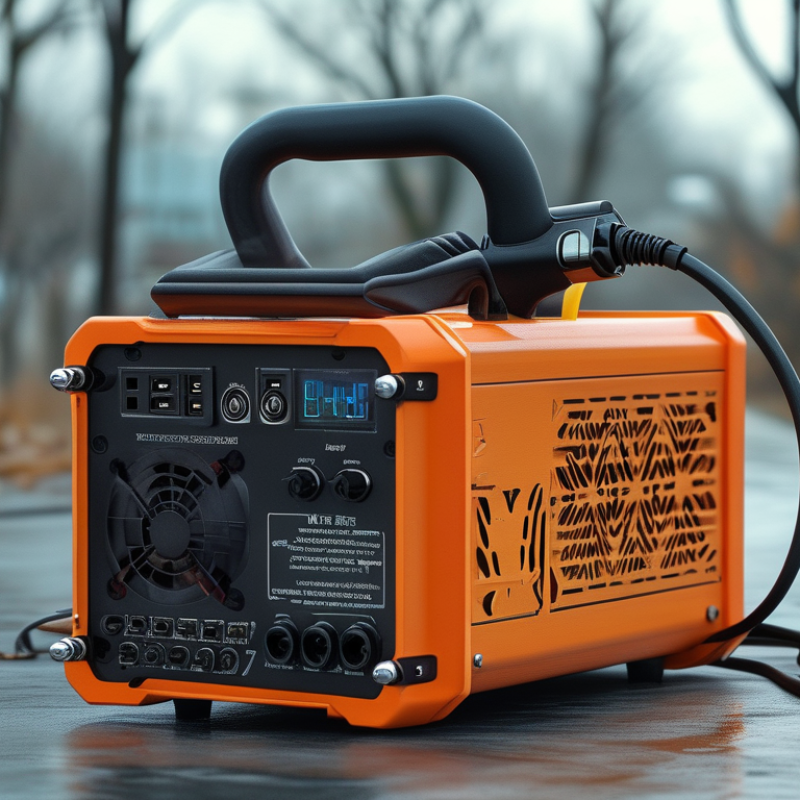
What is a Power Inverter? Definition and Key Features
A power inverter is an essential device that converts direct current (DC) into alternating current (AC). This process allows appliances that require AC power to operate from DC sources like batteries or solar panels. The core functionality of a power inverter lies in its ability to provide a stable AC supply, making it crucial for both residential and commercial applications.
Key features of power inverters include their efficiency ratings and output waveforms. Many inverters can produce pure sine waves, which are essential for sensitive electronics. However, some models generate modified sine waves, which may not be suitable for all devices. Additionally, a power inverter’s capacity, measured in watts, determines how many devices can run simultaneously. It's a balancing act; choosing the right inverter requires careful consideration of your power needs.
Operating and maintaining a power inverter can be intricate. Users sometimes overlook factors like ventilation and temperature. An overheated inverter may fail, leading to costly damage. Understanding these details is crucial for effective use. Reflecting on the installation process reveals potential gaps in knowledge for many. This highlights the importance of thorough research for efficient and safe operation.
What is a Power Inverter and How Does it Work?
| Feature |
Description |
| Definition |
A power inverter is a device that converts direct current (DC) into alternating current (AC). |
| Types |
Modified sine wave, pure sine wave, and square wave inverters. |
| Applications |
Used in renewable energy systems, vehicles, and backup power supplies. |
| Key Features |
Efficiency, output wattage, safety features, portability. |
| Efficiency |
Typically ranges from 80% to over 90%, depending on the model. |
| Output Waveform |
Pure sine wave inverters provide the highest quality power, suitable for sensitive electronics. |
| Safety Features |
Overload protection, short circuit protection, and thermal shutdown. |
| Portability |
Some models are designed to be compact and lightweight for easy transport. |
Types of Power Inverters: Modified Sine Wave vs. Pure Sine Wave
Power inverters are essential devices for converting DC electricity to AC power. Among them, modified sine wave inverters and pure sine wave inverters are the most common types. Both serve a similar function, yet their performance and applications vary significantly.
Modified sine wave inverters are more affordable and simpler in design. They create a waveform that approximates a sine wave but is less smooth. This can lead to inefficiencies. Sensitive electronics, like computers, may not function optimally with this type. However, for basic appliances, they are often sufficient.
Pure sine wave inverters generate a clean, smooth waveform. They closely mimic the power supplied by utility companies, making them ideal for complex devices. They ensure efficient operation for premium appliances and sensitive tools. Though pricier, the reliability they offer is often worth the investment. Many users report fewer issues with equipment when using pure sine wave inverters.
Both inverter types have their advantages and disadvantages. Understanding your power needs can guide your choice. Each has its place in various applications, from home use to mobile setups. It's crucial to evaluate what works best for your systems to avoid future problems.
Comparison of Modified Sine Wave and Pure Sine Wave Inverters
This bar chart compares two types of power inverters: Modified Sine Wave and Pure Sine Wave. The chart illustrates key performance metrics including efficiency, total harmonic distortion, cost, and noise level, providing a visual representation of their differences.
How Power Inverters Convert DC to AC: The Conversion Process Explained
Power inverters play a critical role in transforming direct current (DC) into alternating current (AC), which is essential for powering household appliances and equipment. The conversion process begins with the inverter taking in DC power from sources like batteries or solar panels. Next, it uses an oscillator to convert this DC into a square wave signal. The generated square wave is then filtered and modified to create a smoother AC waveform, typically resembling a sine wave.
Industry reports indicate that the global power inverter market was valued at approximately $9 billion in 2021, with projections to grow significantly in the coming years. This growth underscores the rising reliance on renewable energy sources, driving demand for efficient power conversion solutions. Proper sizing of inverters is crucial, as undersized inverters can lead to overheating or inefficient power delivery, while oversized units may waste energy and increase costs.
**Tip:** When selecting a power inverter, consider the total wattage of the devices you'll be using. This ensures optimal performance and longevity. Additionally, consult resources or professionals if you're unsure about your specific needs.
Recognizing the complexities of power inverters can lead to better decisions. The efficiency of the conversion process often varies. Small errors in setup or selection can impact overall performance, reminding users to approach the task thoughtfully. Always test the equipment after installation to ensure everything operates as expected.
Common Applications of Power Inverters in Residential and Industrial Use
Power inverters play a crucial role in converting direct current (DC) to alternating current (AC).
In homes, they are essential for using solar energy effectively.
According to a report by the Solar Energy Industries Association, solar capacity has grown over 167% in the past five years.
This growth indicates a rising demand for inverters that can adapt solar energy into usable power.
In industrial settings, power inverters are often used in automation and control systems.
They enable variable speed drives for motors, improving energy efficiency.
A study by the U.S. Department of Energy revealed that using energy-efficient drives can reduce energy consumption by 30%.
This reduction is significant in industries where motors are the primary energy consumers.
However, the reliance on inverters comes with challenges, like potential noise interference and efficiency losses under certain conditions.
Moreover, while many homes and factories benefit from these technologies, not all installations are flawless.
Improper sizing or selection can lead to performance issues.
Underutilized inverters may not perform optimally.
As the market grows, ensuring proper education and expert guidance is essential for maximizing benefits and minimizing setbacks.
The evolution of power inverters must be met with continuous assessment and adjustments to meet dynamic energy needs.
Key Specifications to Consider When Choosing a Power Inverter
When choosing a power inverter, several key specifications must be considered.
The inverter's power rating is crucial. It is measured in watts and dictates how
much load the inverter can handle. For example, a 1000-watt inverter can power
devices that require up to 1000 watts. It's important to factor in peak and
continuous power ratings. The continuous rating indicates the inverter's
sustained performance, while peak power accounts for short bursts, which is
vital for devices with high startup currents.
Efficiency is another vital factor. Most inverters operate at around 85-95%
efficiency. This percentage reflects how well the inverter converts DC to AC
power. A higher efficiency means less energy wasted and better battery life.
Users should also look for features like built-in surge protection and cooling
systems. These features can enhance the inverter's reliability and safety.
Lastly, the type of inverter is significant. In general, there are two types:
modified sine wave and pure sine wave. Pure sine wave inverters produce cleaner
power and are compatible with sensitive electronics. However, they tend to be
more expensive. Understanding these specifications can provide greater insights
into optimal usage and performance. In an industry report by the International
Energy Agency, the demand for reliable power solutions is projected to grow by
6% annually. This emphasizes the importance of selecting the right inverter
based on individual needs and applications.
FAQS
: A power inverter converts direct current (DC) to alternating current (AC), enabling operation of AC appliances from DC sources.
Key features include efficiency ratings, output waveforms, and capacity measured in watts. Each affects performance.
Modified sine wave inverters are cheaper and simpler but may cause inefficiencies. Pure sine wave ones are more reliable for sensitive devices.
It's not ideal. Sensitive electronics may not function optimally with modified sine wave inverters. Consider pure sine wave instead.
Ensure proper ventilation and avoid overheating. Regular checks can prevent issues and prolong inverter lifespan.
Many users face knowledge gaps. Thorough research ensures safe and efficient operation, reducing the risk of future damage.
Assess your power needs carefully. Consider how many devices you want to run simultaneously to choose the right inverter size.
Many users find they experience fewer equipment issues with pure sine wave inverters. Reliability often justifies the higher price.
Overheating due to poor ventilation can lead to inverter failure. Users sometimes overlook this critical maintenance detail.
Yes, it’s possible. Each type serves different applications, so combining them may optimize overall system performance.
Conclusion
A power inverter is an essential device that converts direct current (DC) into alternating current (AC), allowing users to power various appliances and tools. There are primarily two types of power inverters: modified sine wave and pure sine wave. The former is often more affordable and suitable for basic applications, while the latter produces a cleaner and more efficient output, making it ideal for sensitive electronics.
The conversion process involves several stages, where the inverter first transforms DC into high-frequency AC and then modifies it into a suitable output waveform. Power inverters are widely used in both residential and industrial settings, powering everything from home appliances to heavy machinery. When selecting a power inverter, it's crucial to consider key specifications such as output power, efficiency, and the type of waveform produced to ensure it meets specific needs.

 Veltok Power