The battery charger industry is witnessing rapid advancements, reflecting an increasing demand for efficient energy solutions. According to a report by Market Research Future, the global battery charger market is projected to grow at a CAGR of 8.5% by 2027. This significant surge is influenced by the rising adoption of electric vehicles and portable devices. Industry expert Dr. Emily Choi states, "The future of battery chargers relies on innovation and sustainability, shaping how we power our lives."
As consumers seek reliable and efficient charging solutions, global sourcing becomes crucial. Companies must navigate various options to select the right battery charger for their specific needs. The array of products can be overwhelming. Not all chargers are created equal, and quality can vary widely.
Competitors are constantly improving their technology, leading to better performance and safety features. An informed choice is essential. A poorly chosen battery charger can lead to inefficiency or even hazards. Buyers must prioritize reliability and expertise when sourcing their products. Engaging with suppliers who understand the nuances of battery technology is vital for long-term success.
Understanding Different Types of Battery Chargers Available in the Market
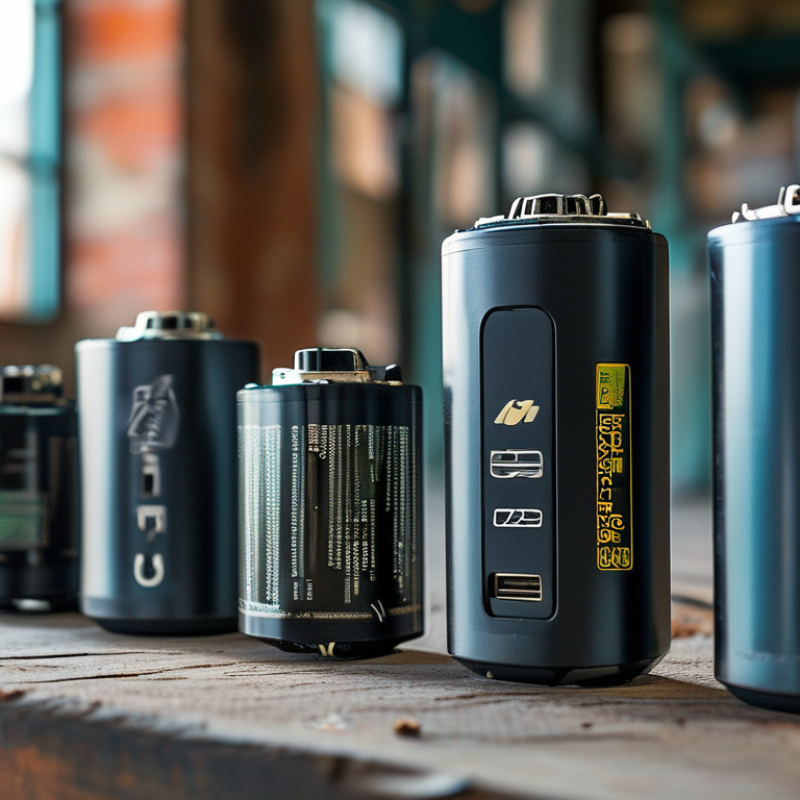
Battery chargers come in various types, each designed for specific uses. Understanding these differences is crucial for global sourcing. Consumers often overlook basic characteristics like voltage compatibility and charging speed. For instance, traditional chargers generally provide a standard output voltage. However, rapid chargers can supply higher power levels, making them suitable for modern devices that support fast charging technology.
One significant assessment by Market Research Future highlights that the demand for smart chargers is on the rise, projected to grow by 10% annually through 2027. Smart chargers adjust their output based on the device's needs. This feature minimizes energy loss and enhances battery life. Despite their benefits, smart chargers are often more complex. Users may find it challenging to navigate their functionalities.
The prevalence of different battery types also impacts charger design. Lithium-ion batteries, for example, require specific charging protocols to prevent overheating. A study by the International Renewable Energy Agency noted that improper charging could reduce battery efficiency by up to 30%. Users must remain vigilant in choosing chargers that align with their battery specifications. Selecting the right charger is not just about compatibility; it also involves understanding the implications of charging habits on battery longevity.
Key Features to Consider When Buying a Battery Charger
When purchasing a battery charger, understanding key features is crucial. Charging speed is one of the most important aspects to consider. A charger with a higher amp rating typically charges devices faster. However, faster charging can lead to overheating. Buyers must weigh speed versus safety.
Compatibility is another significant factor. Ensure the charger can handle different battery types. Consider whether it's capable of charging lithium-ion, NiMH, or lead-acid batteries. The lack of a universal charger can lead to disappointment later. Something as simple as a mismatched connector can render a charger useless.
Safety features are essential as well. Look for built-in protections against overcharging and short circuits. These features help prevent damage to both the charger and the device being charged. An unreliable charger can result in costly repairs or replacements. Always check product reviews for user experiences. Customers often share valuable insights about their long-term use.
Evaluating the Reliability and Safety Standards of Battery Chargers
When sourcing battery chargers, reliability and safety must be evaluated carefully. Industry experts note that up to 30% of safety issues arise from poor-quality chargers. These chargers can lead to overheating, fires, and even injuries. A recent report by the International Electrotechnical Commission found that compliance with safety standards decreases failure rates significantly.
Key safety standards such as UL 60950 and IEC 62133 guide manufacturers in producing reliable products. Devices meeting these standards typically have enhanced durability and decrease the likelihood of malfunction. Research indicates that chargers meeting international standards reduce the risk of accidents by almost 50%. This data emphasizes the importance of choosing chargers that adhere to established regulations.
However, even with adherence to standards, imperfections can occur. Some chargers may still fail under extreme conditions. Businesses should consider extensive testing in various scenarios before mass production. User feedback is also invaluable. Insights from users can highlight potential shortcomings that manufacturing standards might miss. Therefore, a combination of rigorous testing and user experience is vital for ensuring safety and reliability in battery chargers.
Battery Charger Reliability and Safety Standards
This chart displays the reliability and safety ratings of various battery chargers based on key evaluation criteria. The data shows the average scores on a scale of 0 to 100 for different safety standards compliance across several categories.
Comparing Price Points and Value for Money in Battery Chargers
When sourcing battery chargers, price plays a crucial role. It can determine the quality and features you get. Higher prices often reflect advanced technologies and added safety features. However, this doesn't always mean better value. Some chargers at lower price points offer essential functions without unnecessary extras. It’s essential to assess what features you truly need.
Value for money is more than just the price tag. Consider the longevity and reliability of the charger. Cheaper options may break down sooner, leading to additional costs. In contrast, a more expensive unit may last longer, saving you money over time. Think about your usage and choose wisely. It’s easy to fall for flashy designs or marketing gimmicks, but practicality should be key. Always check user reviews and ratings to gauge real-world performance.
Reflecting on personal needs is vital. Are you a casual user or a frequent traveler reliant on quick charging? Different scenarios require different chargers. A balance of cost and functionality is often the best path. In the end, understanding what you truly need will help steer you to the right option. This way, you can find a charger that fits both your budget and requirements effectively.
Tips for Sourcing Battery Chargers Globally and Building Supplier Relationships
When sourcing battery chargers globally, understanding the market is crucial. The battery charger market is projected to grow significantly, with a CAGR of 6.4% through 2028 according to a recent report by Fortune Business Insights. This growth is driven by the increasing demand for electric vehicles and portable electronic devices. Building strong relationships with suppliers can help businesses leverage this growth effectively.
Focus on establishing clear communication with suppliers. Use data-driven insights to assess their production capabilities. According to a survey by Deloitte, 78% of companies that maintain open lines of communication report higher satisfaction in supplier relationships. It’s essential to ask about their quality assurance processes. Many suppliers may not meet industry standards at first. Ensure that they can provide certifications and test reports.
Regular visits to suppliers can enhance trust and transparency. Observing operations in-person allows for better evaluation of their practices. A study from the International Journal of Operations & Production Management highlights that 63% of successful partnerships stem from face-to-face interactions. Collaborating with suppliers on product development can also minimize risks. Engaging in this manner may lead to innovative solutions and improved product quality over time.
Top 10 Battery Charger Buyers Guide for Global Sourcing
| Feature |
Importance |
Sourcing Tips |
| Charging Speed |
High |
Look for fast-charging technologies like Quick Charge or Power Delivery. |
| Compatibility |
Medium |
Ensure chargers support multiple device types (smartphones, tablets, laptops). |
| Safety Standards |
High |
Verify UL, CE, or FCC certifications for safety compliance. |
| Warranty |
Medium |
Choose suppliers offering at least a one-year warranty on products. |
| Price |
High |
Get multiple quotes to compare prices for bulk orders. |
| Durability |
High |
Look for rugged designs with high-quality materials. |
| Portability |
Medium |
Choose compact designs that are easy to carry. |
| Customer Support |
High |
Assess the supplier's responsiveness and support options. |
| Reviews and Reputation |
High |
Research reviews and testimonials from other buyers. |
| Shipping Options |
Medium |
Check for various shipping methods and delivery times. |
Conclusion
The article titled "Top 10 Battery Charger Buyers Guide for Global Sourcing" provides a comprehensive overview of battery chargers, outlining essential considerations for potential buyers. It begins by exploring the various types of battery chargers available in the market, ensuring buyers understand their options. The guide emphasizes key features to consider, such as charging speed, compatibility, and smart technology, which can enhance user experience.
Additionally, the article highlights the importance of evaluating the reliability and safety standards of battery chargers to ensure they meet necessary regulations. It also offers insights into comparing price points and assessing the value for money, helping buyers make informed decisions. Finally, the guide shares practical tips on sourcing battery chargers globally, including how to build strong relationships with suppliers for optimal purchasing outcomes.

 Veltok Power